TuberID

Database for morphological and molecular identification of Tuber species

Tuber aestivum

*
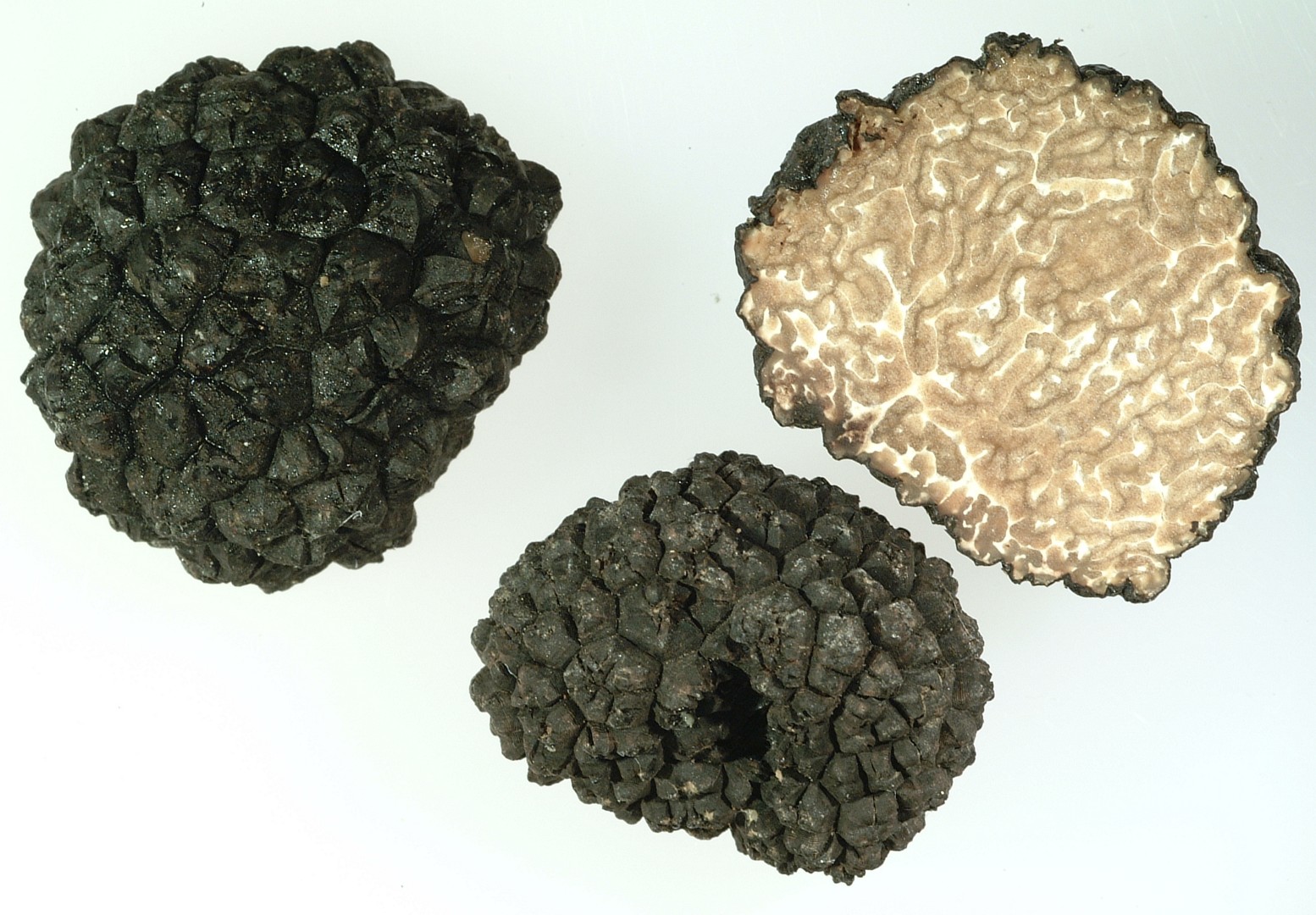
Ascocarp
*
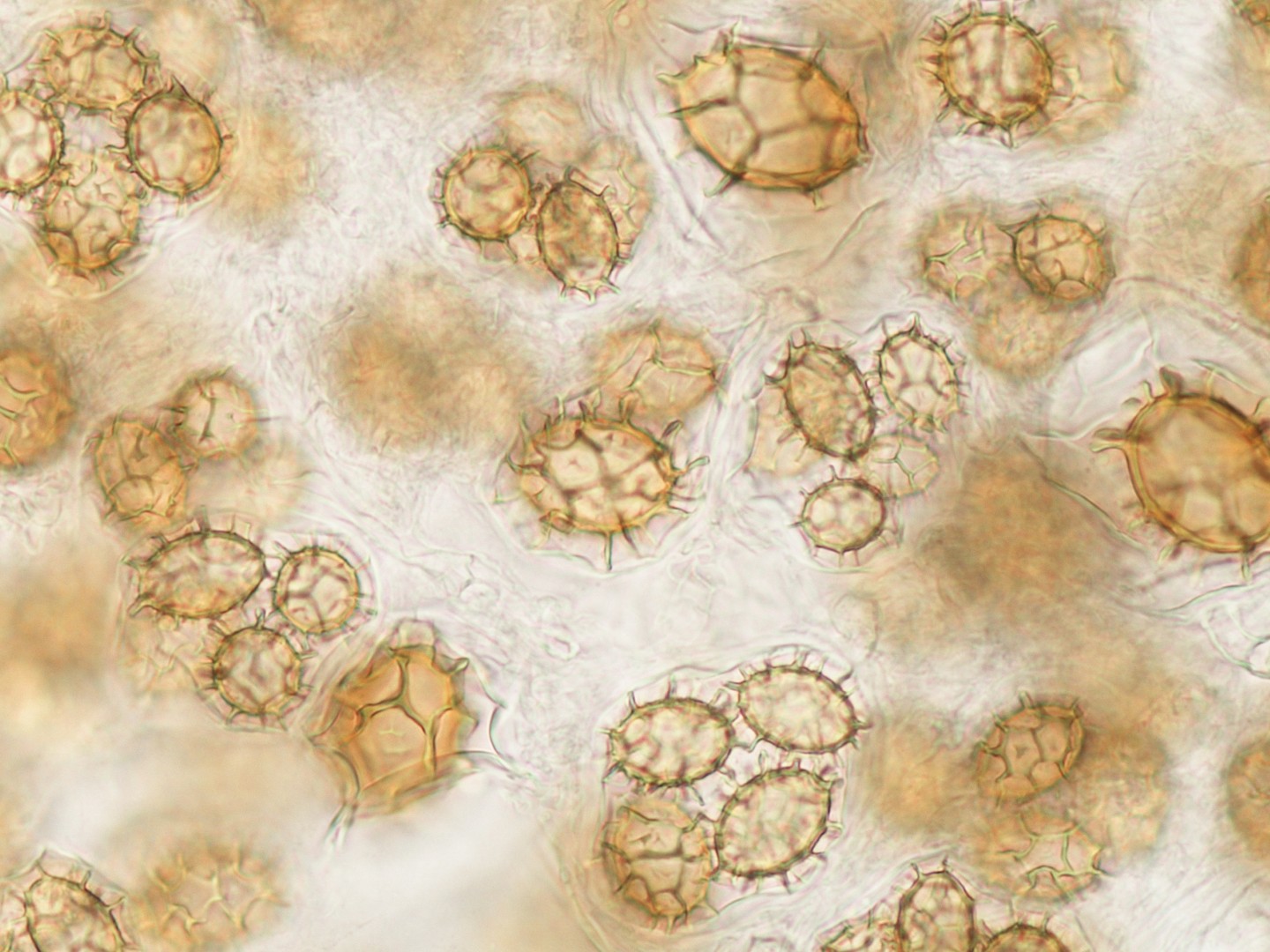
Spores
*
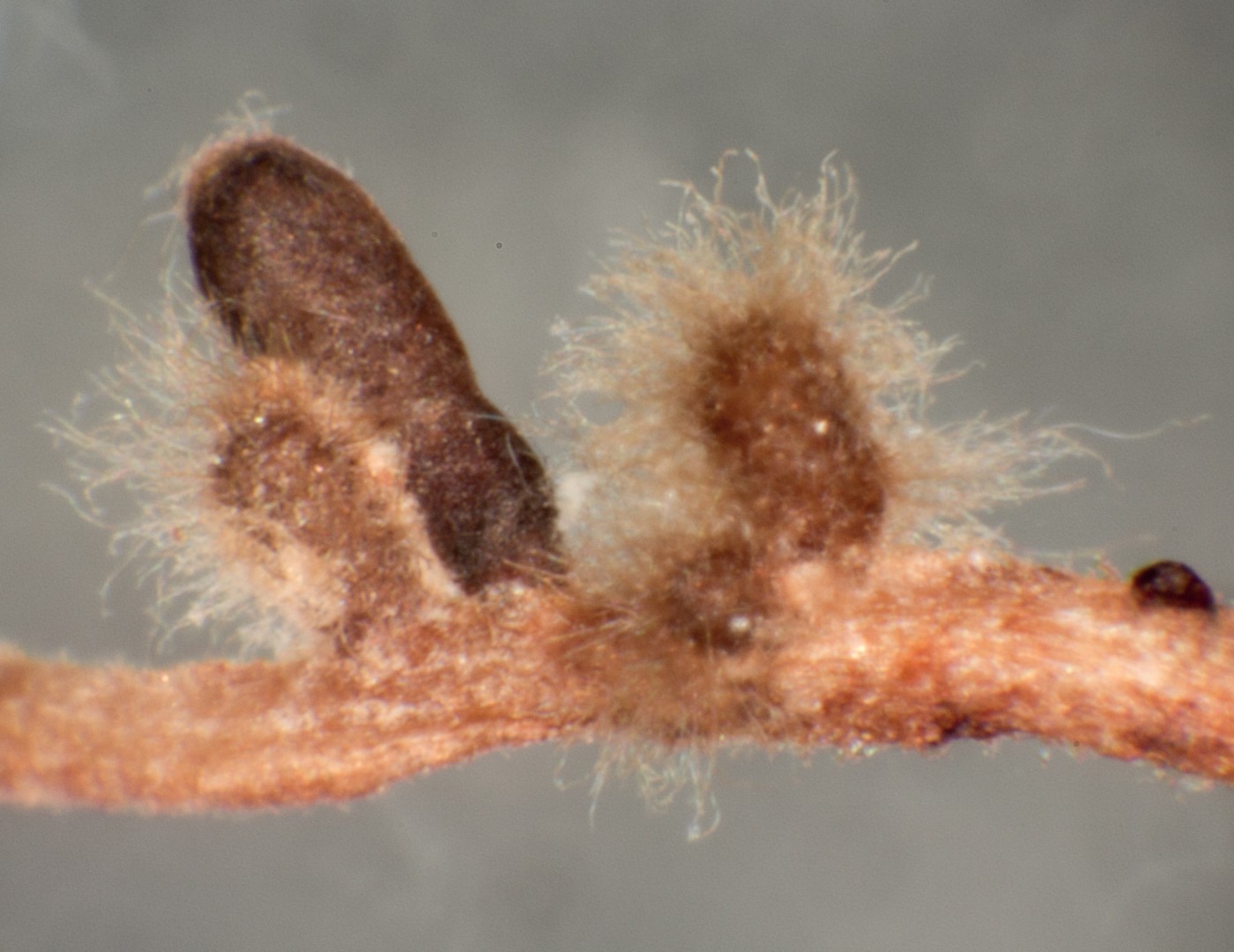
Mycorrhizae (ECM)
*
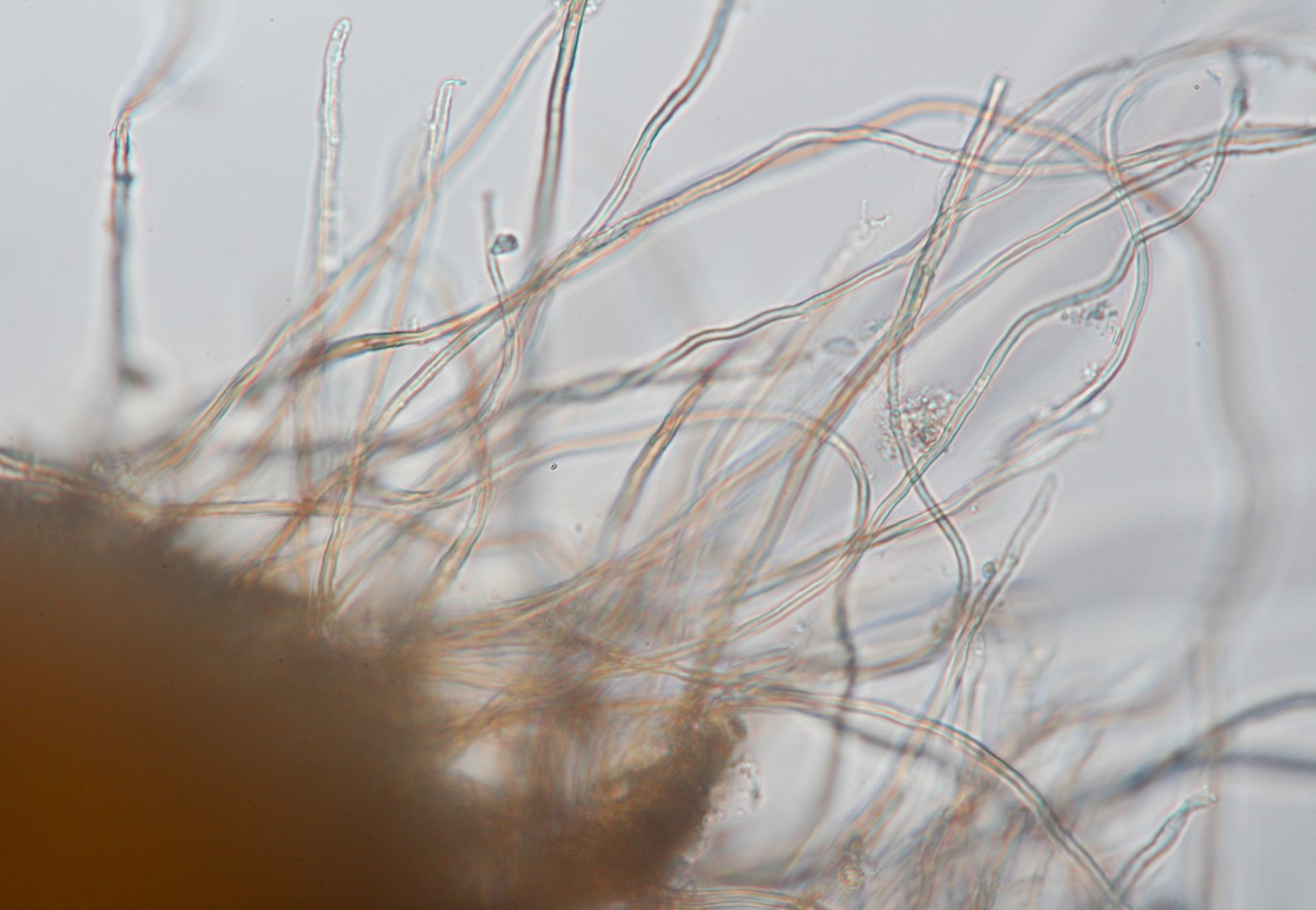
Cystidia
*
Mantle

(Click on the above pictures to enlarge them)

Taxon

Species ID
3
Species Name
Tuber aestivum
Clade
Aestivum
Index Fungorum Record
MycoBank ID
Fungal Names ID
Catalogue of Life Record
GBIF Record
Synonyms
Tuber aestivum var. uncinatum, Tuber aestivum f. uncinatum
Edible
Y
Authorship
Vittad.
Author Names
Vittadini C.
Reference
Monogr. Tuberac. (Milano): 44
First Description (Year)
1831

Ascocarp

Odour
Weak, mushroom like to more pleasant at maturity
Ascocarp Form
generally subglobose
Ascocarp Size (cm)
1-7

Peridium

External Morphology (Peridium)
Warty with big warts of very variable size
Peridium Color
black
Wart Morphology
big, hard, black warts,pyramidal and irregularly polygonal at the base, with evident horizontal striae in the surface
Wart Size (cm)
4-7

Gleba

Gleba Color at Maturity
white-ochre , hazel-brown to dark-brown
Gleba Aspect
fleshy and marbled, with thin, meandriform veins

Spores

Spore Form
ellipsoidal to subglobose
Spore Minimum Length (μm)
18
Spore Maximum Length (μm)
22
Spore Minimum Diameter (μm)
25
Spore Maximum Diameter (μm)
30
Spore color
yellow to light brown
Spore ornamentation
reticulate-alveolate with poligonal irregular meshes
Spore ornamentation height (µm)
3-5
Spore ornamentation diameter (µm)
4-10

Mycorrhiza (ECM)

ECM Form
cylindrical or club shaped with rounded end. Simple or ramified. Monopodial pinnate or monopodial piramidal (Angiosperm host). Dichotomous (Gymnosperm host)
ECM color (young)
yellow-ochre
ECM color (mature)
brown
Cystidia form
very long, not ramified, curly, forming a web of mycelium around the tip
Cystidia color
yellow-ochre
Cystidia Length (µm)
110-600
Cystidia Basal Diameter (µm)
2-4
Cystidia Position
whole surface
Mantle Cells Form
polygonal cells with smooth or rounded edges
Mantle cell density
(in a 20x20µm square)
6-11

Hosts

Host #1
Host Latin Name
Quercus cerris
Catalogue of Life Record
GBIF Record
Host #2
Host Latin Name
Quercus robur
Catalogue of Life Record
GBIF Record
Host #3
Host Latin Name
Corylus avellana
Catalogue of Life Record
GBIF Record
Host #4
Host Latin Name
Fagus sylvatica
Catalogue of Life Record
GBIF Record
Host #5
Host Latin Name
Quercus pubescens
Catalogue of Life Record
GBIF Record
Host #9
Host Latin Name
Ostrya carpinifolia
Catalogue of Life Record
GBIF Record
Host #10
Host Latin Name
Tilia cordata
Catalogue of Life Record
GBIF Record
Host #11
Host Latin Name
Tilia platyphyllos
Catalogue of Life Record
GBIF Record
Host #12
Host Latin Name
Pinus nigra
Catalogue of Life Record
GBIF Record
Host #13
Host Latin Name
Pinus pinea
Catalogue of Life Record
GBIF Record
Host #14
Host Latin Name
Pinus sylvestris
Catalogue of Life Record
GBIF Record
Host #15
Host Latin Name
Pinus halepensis
Catalogue of Life Record
GBIF Record

Molecular Identification Methods

Method #10 - Marker: ITS
Forward Primer
(UncI) TGGGCCGCCGAAAACTTG
Melting Temp (°C)
59
Reverse Primer
(UncII) CTGACGAGATGCCCCGGA
PCR Product Size (bps)
405
MgCl2 Conc.
-
Additives in mixture
-
PCR cycles
27 cycles: 95 °C 1 min, 59 °C 45 s,72 °C 45 s
Reference
Mello A, Cantisani A, Vizzini A, Bonfante P (2002). Genetic variability of Tuber uncinatum and its relatedness to other black truffles.. Environmental Microbiology, vol. 4, pp. 584-594. - doi: https://doi.org/10.1046/j.1462-2920.2002.00343.x
Method #12 - Marker: ITS
Forward Primer
(Tu1sekvF ) AGAGCACCAAACCACAG
Melting Temp (°C)
52,59,63.5
Reverse Primer
(Tu2sekvR) ACCACAGCGTCTACCAA
PCR Product Size (bps)
496-502
MgCl2 Conc.
5 mM
Additives in mixture
-
PCR cycles
95°C, 4min, 34 or 40* cycles (95°C, 60 or 40s*; 52, 59 or 63.5°C, 45 or 40s*, 72°C, 45 or 40s*), 72°C for 5min
Reference
Gryndler M, Hršelová H, Soukupová L, Streiblová E, Valda S, Borovička J, Gryndlerová H, Gažo J, Miko M (2011). Detection of summer truffle (Tuber aestivum Vittad.) in ectomycorrhizae and in soil using specific primers: molecular detection of Tuber aestivum. FEMS Microbiology Letters, vol. 318, pp. 84-91. - doi: https://doi.org/10.1111/j.1574-6968.2011.02243.x

© 2025 CNR-IBBR. All rights reserved.

All the material on these pages is released under the license Creative Commons Attribution-NonCommercial-NoDerivatives 4.0 International (CC BY-NC-ND 4.0)

This project has received funding from European Union's Horizon 2020 research and innovation program under Grant Agreement #101007623.

Contacts:

Andrea Rubini, CNR-IBBR, Perugia (andrea.rubini@cnr.it)
Claudia Riccioni, CNR-IBBR, Perugia (claudia.riccioni@cnr.it)
Beatrice Belfiori, CNR-IBBR, Perugia (beatrice.belfiori@cnr.it)

Web Manager:

Gabriele Bucci, CNR-IBBR, Sesto Fiorentino, FI (gabriele.bucci@cnr.it)